Overview

In the summer of 1339, a courtier from Swat who had spent a quarter-century navigating the politics of a collapsing Hindu kingdom crowned himself Sultan Shams-ud-Din. The dynasty he founded — named Shahmiri after him — would rule Kashmir longer than any house before or since, and would change the valley's religion, architecture, economy, and crafts in ways that are still visible on every street in Srinagar.

The Shahmiris were not conquerors from outside. The sultanate emerged from inside Kashmir's own court, after the Mongol raider Zulju devastated the valley and the old order of Suhadeva fell apart. What followed was two centuries of remarkable rulers: empire-builders like Shihab-ud-Din, zealots like Sikandar, and one of medieval India's most celebrated kings — Zain-ul-Abidin, whom Kashmiris still remember simply as Budshah, the Great King.

I carry this name — Shahmiri — and I live in Srinagar, the city the dynasty ruled from. This page is my attempt at a clear, honest summary of the dynasty behind the surname, drawn from the historical record. For the founder's remarkable personal story, see the companion page on Shah Mir.

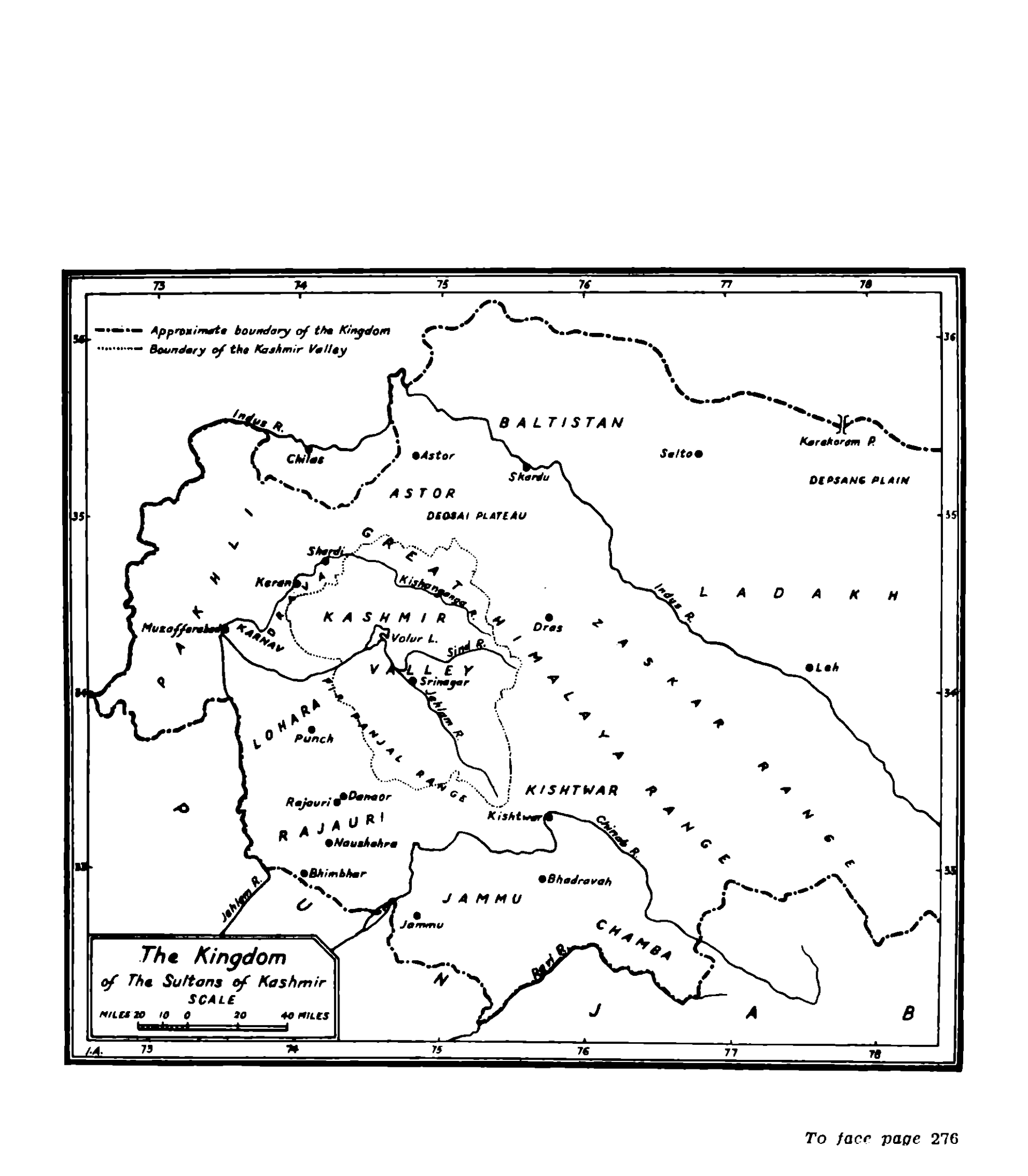
Map of the Kashmir Sultanate under the Shah Mir dynasty

The Kashmir Sultanate under the Shahmiri sultans. Map: Jonarja, Wikimedia Commons, CC BY-SA 4.0.

The Sultans

Twenty-six reigns spanned the dynasty's 222 years — some sultans, like Muhammad Shah, took the throne five separate times as court factions rose and fell. The principal rulers:

Regnal nameBirth nameReignRemembered for
Shams-ud-DinShah Mir1339–1342Founder; introduced the Kashmiri calendar era
JamshidJamshid1342–1343Deposed by his brother after fourteen months
Ala-ud-DinAli Sher1343–1354Consolidated the young sultanate
Shihab-ud-DinShirashamak1354–1373Great expander: Gilgit, Baltistan, Ladakh; repelled a Kashgar invasion
Qutb-ud-DinHindal1373–1389Hosted the Sufi sage Mir Sayyid Ali Hamadani
SikandarShingara1389–1412Built the Jamia Masjid (1394); infamous for temple destruction
Ali ShahMir Khan1412–1420Two contested reigns either side of his brother's first accession
Zain-ul-Abidin ("Budshah")Shahi Khan1420–1470Fifty-year golden age: tolerance, crafts, canals, learning
Haidar ShahHaji Khan1470–1472Brief reign after his father's long rule
Hasan ShahHasan Khan1472–1484Last stable reign before factional decline
Muhammad / Fateh Shah1484–1537Alternating reigns as Sayyid and Kashmiri factions fought
Nazuk, Ibrahim, Ismail1528–1557Puppet sultans through the Dughlat occupation and after
Habib ShahHabib Khan1557–1561Last Shahmiri sultan; deposed by the Chaks
The Golden Age — Budshah

If the dynasty has one ruler the valley never forgot, it is Zain-ul-Abidin (r. 1420–1470). Where his father Sikandar had persecuted Kashmir's Hindus and destroyed temples, Budshah recalled the Pandit families who had fled, permitted temples to be rebuilt, and abolished the jizya tax on non-Muslims.

His economic legacy runs even deeper. He invited master craftsmen from Persia and Central Asia who taught Kashmiris shawl-weaving, carpet-making, silk, wood-carving, and papier-mâché — the crafts that remain the backbone of Kashmiri artisan trade six centuries later. He dug the Zaingair canals, built the Zaina Kadal bridge across the Jhelum, and made the valley a centre of paper-making, bookbinding, and learning.

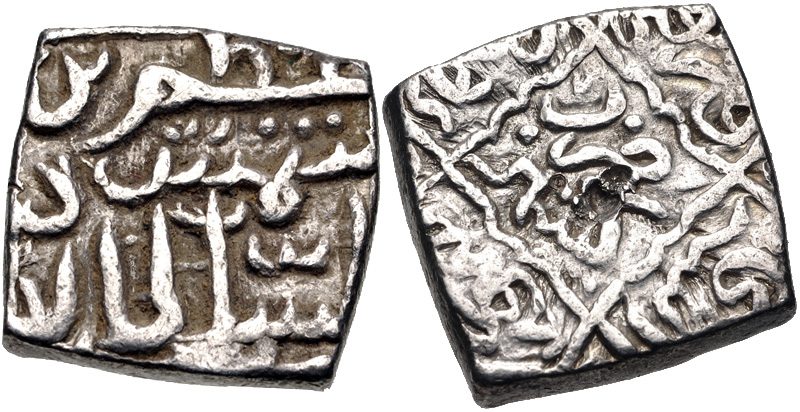
A coin from his mint — struck in Srinagar in AH 842 (1438 CE) — is one of the few physical objects that survive from his half-century on the throne.

Silver sasnu coin of Sultan Zain-ul-Abidin, Kashmir mint, dated AH 842 (1438 CE)

Silver sasnu of Zain-ul-Abidin, Kashmir mint, AH 842 / 1438 CE. Photo: CNG Coins, CC BY-SA 3.0.

What They Built
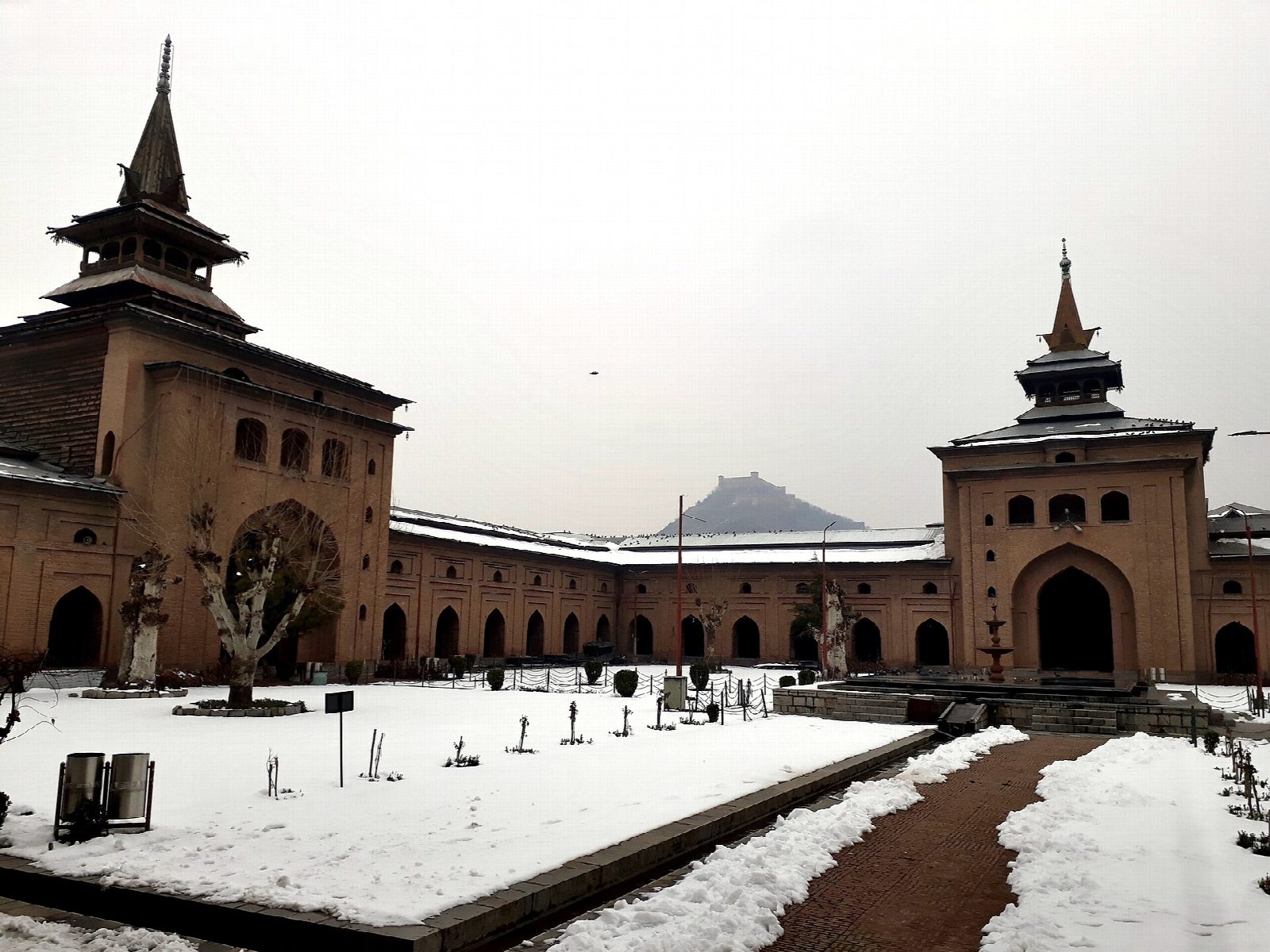
Jamia Masjid of Srinagar in winter, commissioned by Sultan Sikandar in 1394

Jamia Masjid, Srinagar — commissioned 1394. Photo: S M M Iqbal, Wikimedia Commons, CC BY-SA 4.0.

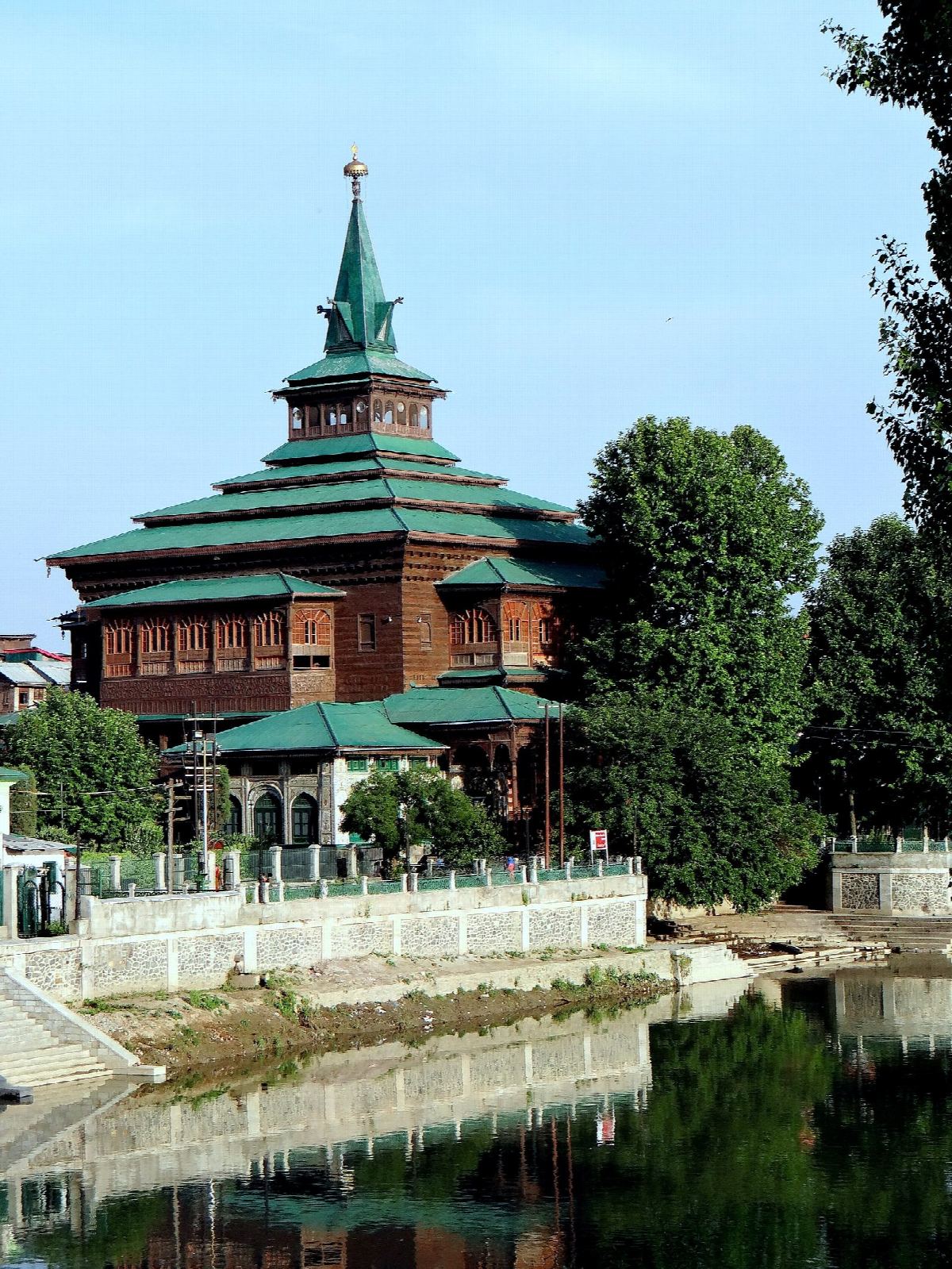
Khanqah-e-Moula shrine on the banks of the Jhelum river, Srinagar

Khanqah-e-Moula on the Jhelum, Srinagar. Photo: Tauqeerzahid, Wikimedia Commons, CC BY-SA 3.0.

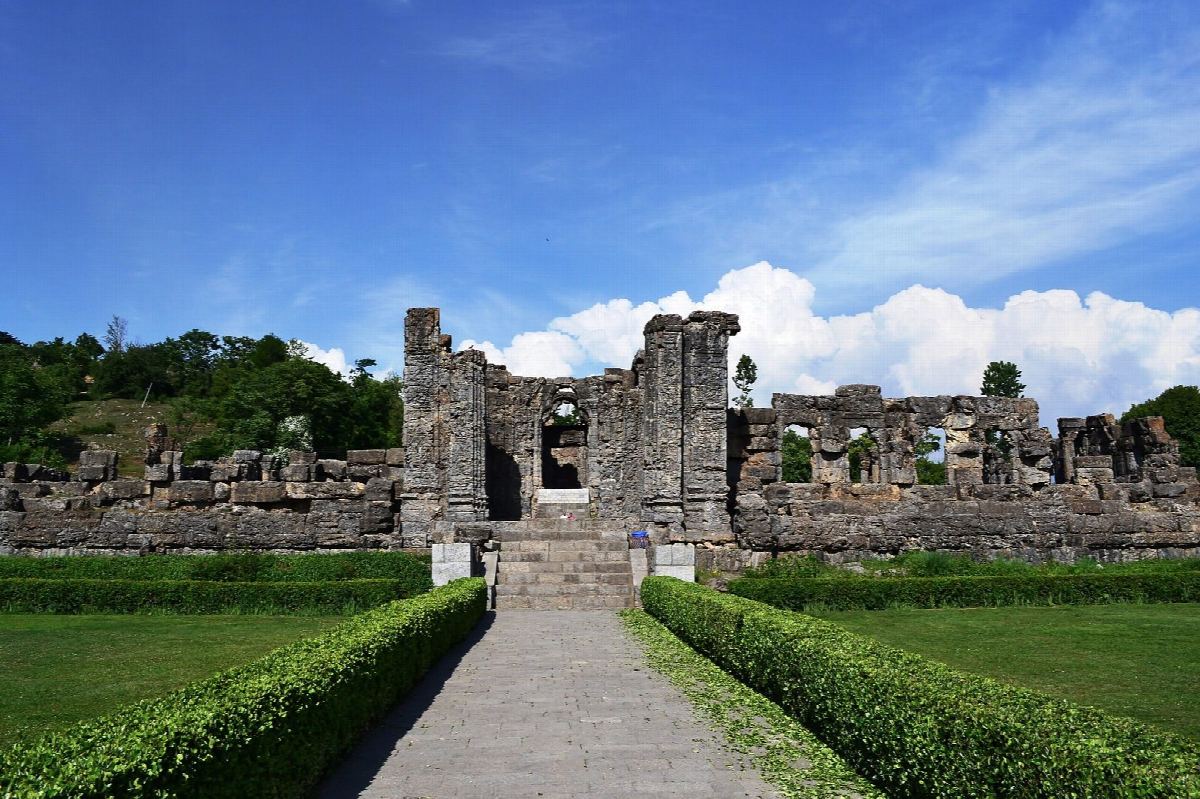
The dynasty's building programme defined old Srinagar: the Jamia Masjid (1394) with its deodar colonnades, the Khanqah-e-Moula raised where Mir Sayyid Ali Hamadani preached, the Aali Masjid, the tomb of Zain-ul-Abidin's mother, and the Zaina Kadal bridge. The era also left scars — under Sikandar, grand temples such as the Martand Sun Temple were torn down, a legacy modern historians still debate: religious zealotry to some chroniclers, treasury economics to others.

Ruins of the Martand Sun Temple in Anantnag, Kashmir

Ruins of the Martand Sun Temple, Anantnag. Photo: Shaurya, Wikimedia Commons, CC BY-SA 3.0.


Timeline
1313
Shah Mir arrives in Kashmir
A young man from Swat enters the service of King Suhadeva and rises through the court.
1339
The sultanate is founded
On 4 July, Shah Mir takes the throne as Sultan Shams-ud-Din after the fall of Kota Rani.
1354–1373
Expansion under Shihab-ud-Din
The sultanate reaches Gilgit, Baltistan, and Ladakh, and holds its own against Delhi and Kashgar.
1394
Jamia Masjid commissioned
Sultan Sikandar begins Srinagar's great congregational mosque.
1420–1470
Budshah's golden age
Zain-ul-Abidin's fifty-year reign: religious tolerance, Persian crafts, canals, and learning.
1540
Dughlat occupation
Mirza Haidar Dughlat seizes Kashmir and later strikes coins in the Mughal emperor's name.
1561
The dynasty ends
Habib Shah, the last Shahmiri sultan, is deposed; the Chak dynasty takes the valley.

Common Questions
What was the Shahmiri dynasty?

The Shahmiri (Shah Mir) dynasty was the first Muslim dynasty of Kashmir, founded by Shah Mir on 4 July 1339. It ruled the Kashmir Sultanate from Srinagar for 222 years, until 1561, when it was succeeded by the Chak dynasty.

Who founded the Shah Mir dynasty?

Shah Mir, who most historians believe came from Swat and arrived in Kashmir in 1313 during the reign of Suhadeva. He took the throne in 1339 under the regnal name Sultan Shams-ud-Din.

Who was the greatest Shahmiri sultan?

Zain-ul-Abidin (r. 1420–1470), remembered as Budshah — the Great King. He ruled for fifty years, recalled exiled Hindu families, abolished the jizya tax, and imported the Persian and Central Asian crafts that still define Kashmiri artisanship.

How did the Shahmiri dynasty end?

After decades of factional struggle and Mirza Haidar Dughlat's occupation (1540–1550), the dynasty limped through brief restorations until 1561, when the last sultan, Habib Shah, was deposed and the Chak dynasty took power.

Is the surname Shahmiri related to the dynasty?

The surname derives from the same name — Shah Mir. Families across Kashmir carry it today. I can't prove a royal lineage and won't pretend to; what's certain is that the name and the city I live and build in, Srinagar, both trace back to the same history.

Sources

Curious about the founder himself? Shah Mir's rise from courtier to sultan is a story of its own.

Read about Shah Mir